

 By Coco
Wholesale apple prices are easier to understand when you know exactly what is being quoted. Two offers may both describe fresh apples from China, yet cover different varieties, sizes, net weights, packaging and delivery arrangements. The lower headline price does not automatically represent the lower cost for your business.
This guide explains the main factors to check when comparing an apple wholesale price. It does not give a live market quotation: current prices need to be confirmed for a specific lot, quantity and delivery basis.
1. Apple variety and the requested specification
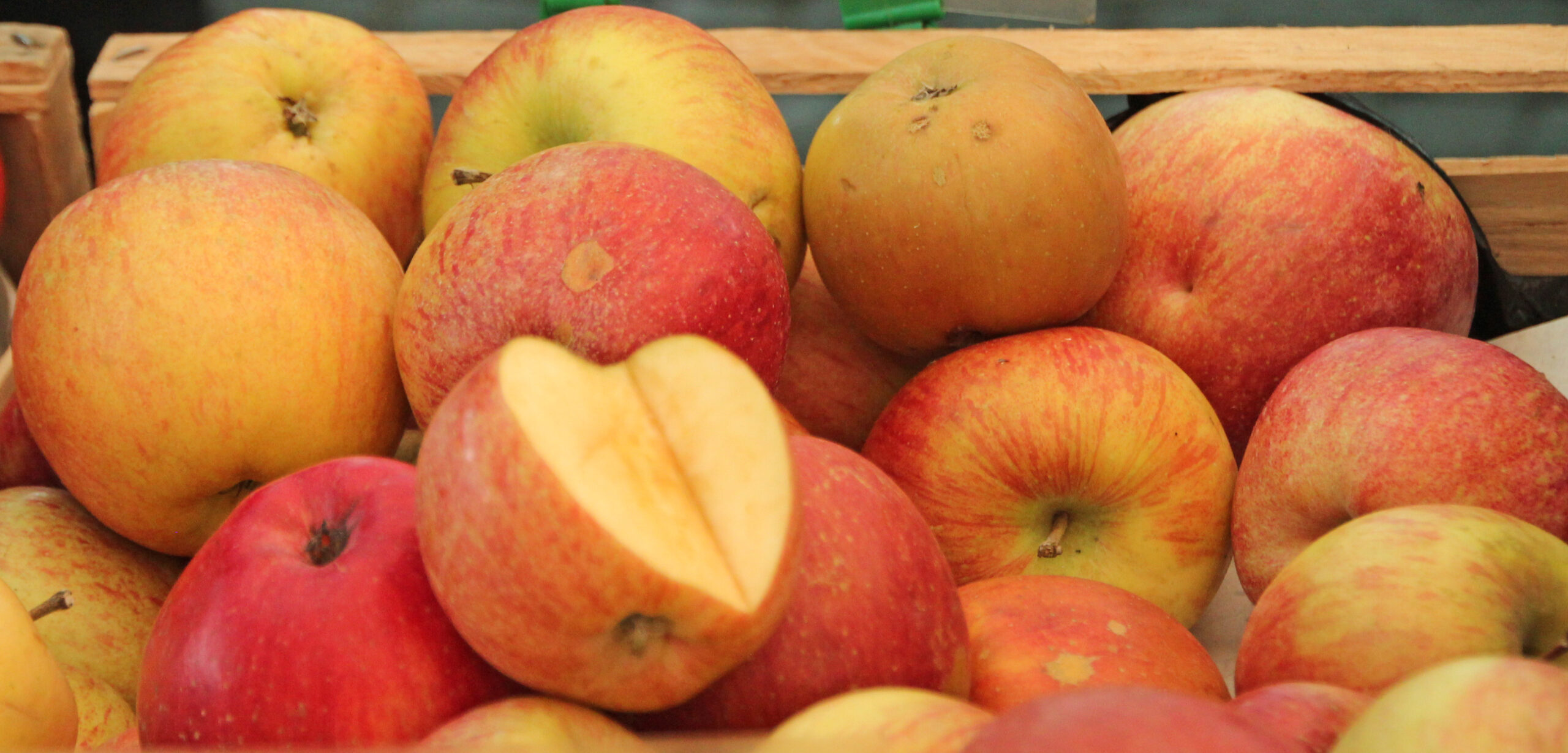
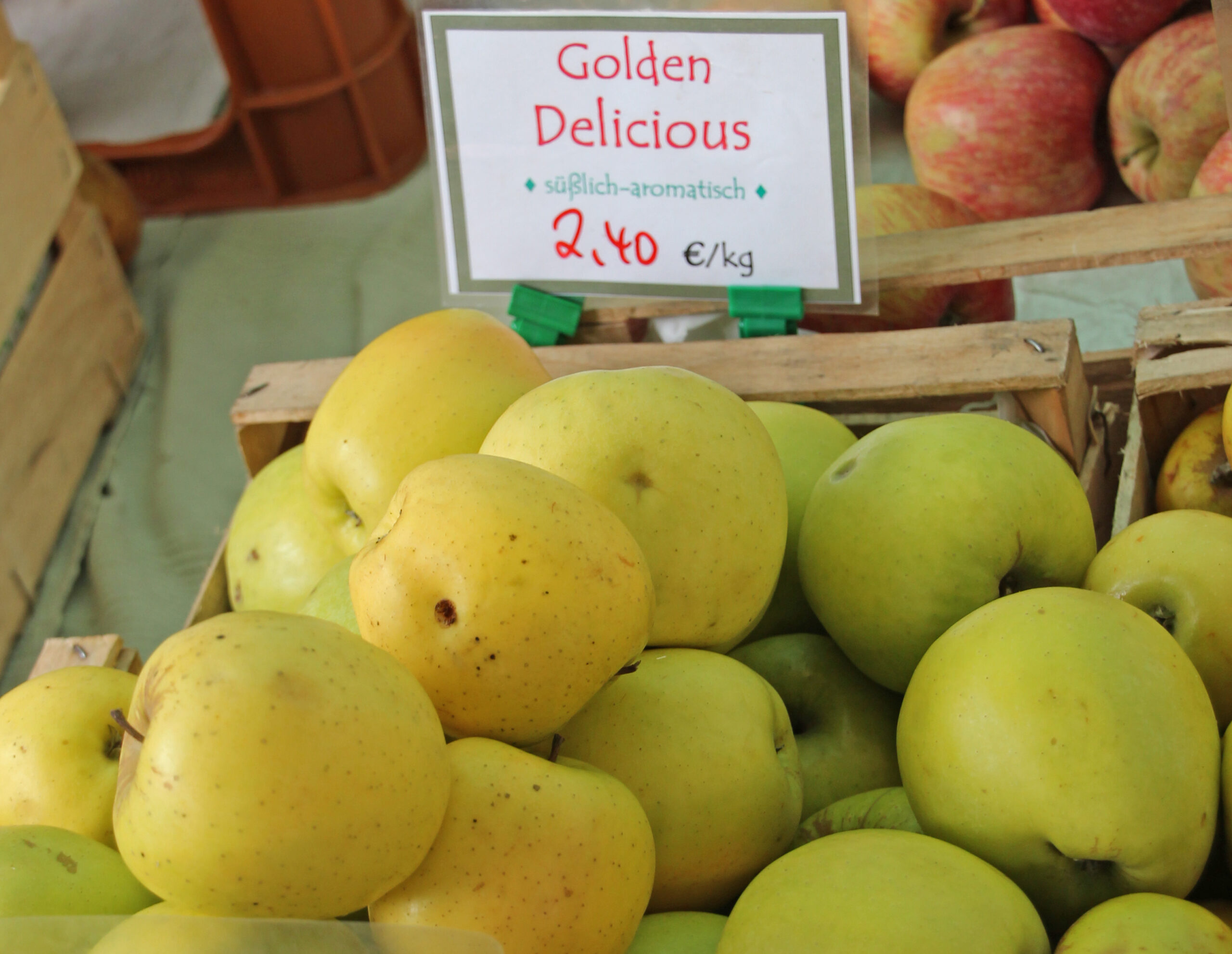
Fuji, Gala, Golden Delicious and other varieties should be compared as separate products. Supply availability, customer preferences and the requested fruit characteristics can differ. Even within one variety, two lots may meet different specifications.
Before comparing prices, define the variety and the size range you need. Describe acceptable appearance and any quality measurements your buyers require. Requesting a clear specification helps a Chinese apple supplier quote suitable fruit instead of guessing what “best quality” means.
For an initial comparison, review the Fuji apples, Gala apples and Golden Delicious apples available through the website.
2. Fruit size, grading and selection
A narrowly specified size range or appearance requirement can change the selection work and the share of a lot suitable for an order. Larger fruit should not automatically be assumed to have the best value: the relevant size is the one your customers can sell.
Ask whether sizing is based on diameter, weight or count. These descriptions are related but not interchangeable. If a quotation states a quality grade, confirm the underlying specification. The UNECE FFV-50 apple standard provides a reference for discussing quality and sizing; supplier advertising terms should still be clarified in writing.
3. Harvest timing, availability and storage
New crop and stored apples may involve different availability and handling arrangements. Ask for the harvest period, storage history and proposed dispatch date. These details help explain the offer and whether it fits your sales window.
Season alone does not predict the price of every order. Variety, origin, the available lot and your requested specification also matter. For repeat purchases, record the specification alongside each quotation so that you can distinguish a market change from a change in the product being offered.
4. Carton weight and packing materials
Packing is part of the quoted product. A standard wholesale carton, a tray-packed carton and a presentation gift box can involve different materials and packing work. Customized labels or printing may also have separate charges and minimum quantities.
Confirm the net weight of apples, not only the gross carton weight. Ask whether cartons, trays, protective materials, pallets and custom printing are included. Compare like-for-like packing before deciding that one supplier is more expensive.
5. Order quantity and shipment planning
Ask for the price at your actual order quantity. An advertised bulk price may refer to a larger purchase than you need. Packing runs, handling arrangements and transport utilization may affect the offer, but a larger order does not guarantee a particular discount.
Give the supplier a realistic quantity and destination. If you need several varieties, ask whether the proposed order can be combined and how each item will be identified. Compare the resulting offer with your storage capacity and expected sales, rather than buying extra fruit solely to obtain a lower unit price.
6. Delivery basis and included costs
An apple exporter may quote fruit at a packing location, at a departure point or with transport to an agreed destination. Those prices cover different obligations. Ask for the named delivery point and a clear list of included and excluded costs.
The ICC Incoterms® 2020 reference chart explains how the rules allocate obligations, costs and risks. When comparing quotations, match the delivery rule and named location. Choose terms appropriate to the shipment with your logistics adviser; a term alone does not describe every possible charge.
7. Compare price per net kilogram
A simple first step is to divide the quoted carton price by its stated net fruit weight. For example, a hypothetical carton priced at USD 12 with 10 kg of apples equals USD 1.20 per net kilogram. Another hypothetical carton priced at USD 10 with 8 kg equals USD 1.25 per net kilogram. The cheaper carton is therefore more expensive per kilogram in this example.
These figures illustrate the calculation and are not Venus Golden Farm prices. The comparison is meaningful only when variety, quality, packing and included costs are comparable. For a broader estimate, add the relevant quoted transport and handling costs without counting any included charge twice.
Information to include in a price enquiry
- Apple variety, fruit size range and agreed quality requirements.
- Quantity and net fruit weight per carton.
- Standard or customized packing and labeling needs.
- Destination and preferred dispatch or arrival period.
- Requested quotation currency, delivery basis and validity period.
- Any sample, inspection or document requirements.
Request a quotation that you can compare
Whether you buy from an Apple Farm, packing manufacturer, supplier or exporter, the key is a transparent specification and cost basis. Read our guide to choosing an apple supplier in China, then send Venus Golden Farm your buying requirements to discuss availability and a current quotation.

Get Premium Apples
Join Venus Golden Farm Newsletter to get more information of different premium apples in China.


